
West Indian · Main course
Chicken Xacuti
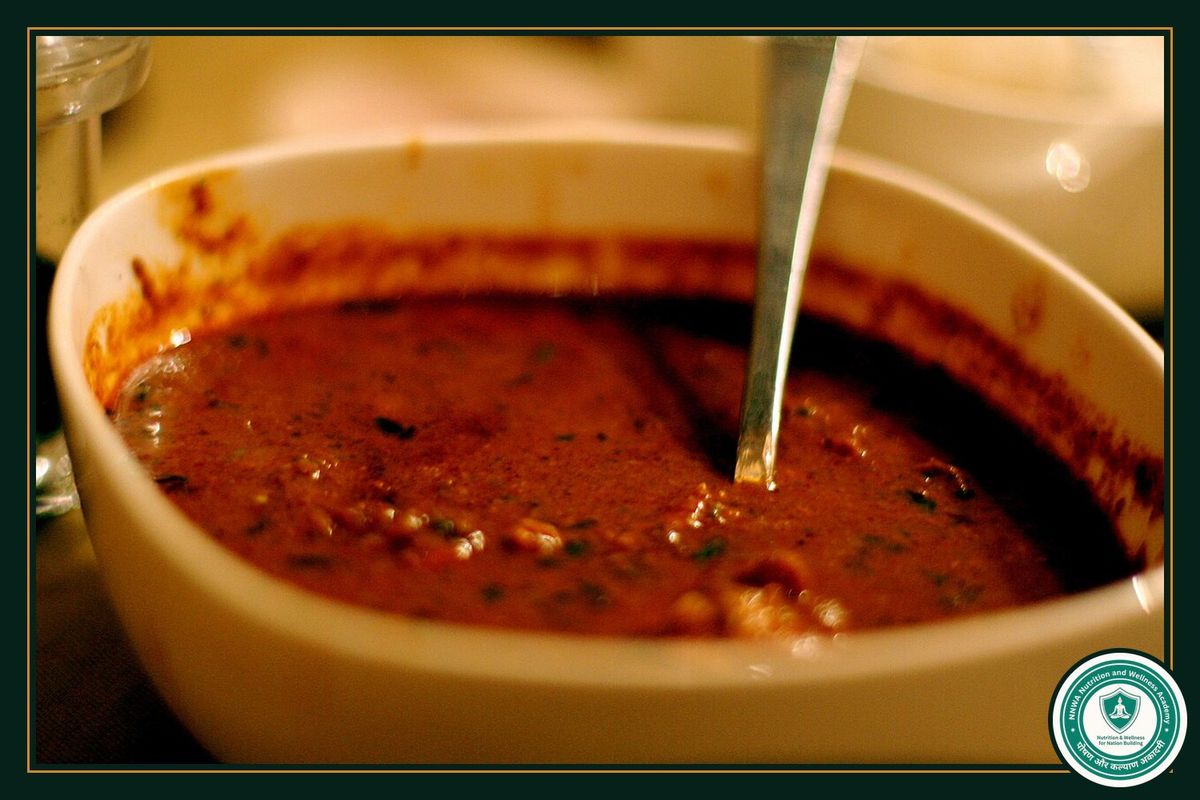
Chicken xacuti is a Goan curry of chicken in a dark gravy built from coconut and a long list of whole spices, all roasted and ground. Pronounced sha-koo-tee. The step that decides it is roasting the coconut slowly to an even deep brown, because pale coconut tastes flat and scorched coconut turns the whole curry bitter.
- Prep
- 30 min
- Cook
- 50 min
- Total time
- 1 hr 20 min
- Servings
- 5
- Energy per serving
- 394 kcalEstimated from this recipe's ingredients using IFCT 2017 values. Actual figures vary with portion and cooking.
- High-protein
- Gluten-free
Ingredients
- 800 g chicken, curry cut, skinless and bone-in
- 1 teaspoon turmeric powder
- 1 tablespoon ginger garlic paste
- 1 cup freshly grated coconut
- 8 dried Kashmiri red chillies
- 2 tablespoons coriander seeds
- 1 teaspoon cumin seeds
- 1/2 teaspoon fennel seeds
- 1 teaspoon black peppercorns
- 1 tablespoon white poppy seeds (khus khus)
- 5 cloves
- 1 inch cinnamon
- 1 star anise
- 1/4 teaspoon grated nutmeg
- 3 tablespoons coconut oil or any neutral oil
- 2 large onions, finely sliced
- 1 tablespoon thick tamarind pulp
- 1 teaspoon jaggery, optional
- Salt to taste
- 2 tablespoons chopped coriander leaves, to finish
NNWA health note
Chicken gives this curry a generous share of protein, and the spices add plenty of flavour for little else. The coconut is what to keep an eye on: it brings satisfying richness along with saturated fat, and fresh coconut is more of it than people tend to assume. Using skinless pieces and measuring the oil keeps the dish in a sensible place, and it sits comfortably as a regular meal with rice or bread in modest portions and a vegetable side. Anyone told to limit saturated fat can reduce the coconut by a quarter and lose little of the character.
Method
- 01
Rub the chicken with the turmeric, ginger garlic paste and 1 teaspoon of salt, and leave it to marinate for 20 minutes at room temperature while you make the masala, or for up to 4 hours in the refrigerator.
- 02
Put a dry heavy pan on low heat and roast the chillies, coriander, cumin, fennel, peppercorns, cloves, cinnamon and star anise for 3 to 4 minutes, shaking the pan, until the coriander darkens a shade and the spices smell warm. Tip them onto a plate.
- 03
In the same pan on low heat, toast the poppy seeds for about 1 minute until they begin to pop, and add them to the plate with the nutmeg.
- 04
Roast the grated coconut in the dry pan on low heat for 8 to 10 minutes, stirring constantly, until it is an even deep brown, like strong tea, and smells toasty. Remove it immediately to the plate, because it keeps cooking in the hot pan.
- 05
Heat 1 tablespoon of the oil on medium and fry half the onions for 6 to 8 minutes until golden brown. Cool everything for 5 minutes, then grind the roasted spices, coconut and fried onion with about 1 cup of water to a smooth, dark paste.
- 06
Heat the remaining oil on medium in a heavy pot and fry the rest of the onions for 8 to 10 minutes until golden. Add the chicken and cook on medium-high for 6 to 8 minutes, turning, until the pieces are lightly seared and no longer pink on the outside.
- 07
Add the ground masala and fry on medium for 5 minutes, stirring and scraping the base, until it darkens and oil starts to appear at the edges.
- 08
Pour in 1 1/2 cups of hot water, bring to a gentle bubble and cover. Simmer on low for 20 to 25 minutes, stirring now and then, until the chicken pulls easily from the bone and shows no pink when cut at the thickest part.
- 09
Stir in the tamarind and jaggery, taste for salt, and simmer uncovered on low for 5 minutes, until the gravy coats a spoon and looks glossy. Finish with the coriander leaves and rest for 10 minutes before serving.
Last reviewed on 2 November 2026.
NNWA publishes the name and qualifications of everyone who writes and checks its material. You can see the full teaching team on the faculty page.
The origins of xacuti
Xacuti belongs to Goa, and the x is the old Portuguese-era way of writing the sh sound, so you may also see it spelled shagoti or sagoti in Konkani and Marathi homes. It is cooked for family meals and for feast days, among Hindu and Catholic Goans alike, with chicken, mutton or vegetables depending on the household. Spice blends vary from house to house and nobody has one correct list. The version here is a chicken xacuti with roasted coconut, a common style, and it leaves out the harder-to-find stone flower that some cooks use.
Roasting is the technique
Most of the flavour is made before the chicken goes near the heat. Each group of ingredients cooks at a different rate, which is why they go into the pan in turn. The seeds and bark need a few minutes, the poppy seeds about one, and the coconut needs patience on low heat because it holds moisture and then colours quickly at the end. Stay by the pan and keep stirring. When the coconut looks like strong tea and smells like a toasted biscuit, it is done.
A proper fine grind matters as well. Xacuti should be smooth and slightly thick, not gritty. Grind in two rounds if your mixer jar is small, adding the water little by little, and let the blade run longer than you think it needs. If you enjoy this roasted-coconut style, it is worth cooking alongside a sour, red Goan fish curry, which uses raw coconut and shows how different the same ingredient can taste.
Common faults and how to rescue them
Bitter gravy nearly always means something burned during the roast, most often the coconut or the coriander seed. There is no complete fix once it is ground, but a spoon of jaggery, a little extra tamarind and a few tablespoons of plain coconut paste will calm a mild case. If the coconut in the pan smells acrid or shows black specks, throw it out and start again. A cup of coconut costs less than a whole pot of chicken.
A gravy that tastes raw and floury has been under-fried. Give the masala its full 5 minutes in step seven, and if you missed that, uncover the finished curry and let it bubble on medium for 5 minutes, stirring. Thin gravy reduces the same way. Too thick is easier still: add hot water a few spoons at a time.
Swaps and a lighter version
Tamarind can be replaced with 2 or 3 kokum petals, which many Goan cooks prefer, or a squeeze of lemon at the end. Desiccated coconut works if fresh is out of reach, soaked in warm water for 10 minutes first, though it browns faster so watch it closely. Boneless thigh cooks in about 15 minutes and stays juicy, whereas breast dries out quickly in this much heat. To lighten the dish, cut the coconut to 3/4 cup and the oil to 2 tablespoons. The gravy is a little thinner and still tastes like xacuti. For a plainer weeknight pot with no coconut at all, try this site's everyday chicken curry. Portion thinking for protein-heavy meals is part of NNWA's sports nutrition course.
Rice, poee and other partners
Goa eats this with steamed rice, or with poee, the local wheat-bran bread, and sannas, the soft steamed rice cakes. Any soft pav will also do the job of mopping up the gravy. A sharp, cooling side balances it well: sliced onion with lemon, or a glass of sol kadhi after the meal, which comes from the same stretch of coast.
Storing and reheating
The gravy tastes better on the second day, once the spices have settled. Cool it within 2 hours, and refrigerate it covered for up to 3 days. It also freezes well for a month. Thaw it overnight in the refrigerator, add a splash of water and reheat on low, then let it reach a full simmer for a few minutes so the chicken is hot through. Reheat only the amount you plan to eat rather than warming the whole pot several times.
The dry masala can be made in advance too. Roast and grind only the spices without the coconut, keep them in a sealed jar for a month, and roast fresh coconut and onion on the day. It takes half the effort out of a weeknight xacuti and the taste holds up well.
Learn the science
Sports Nutrition
This dish's nutrition reasoning is taught in full in this NNWA course.
What people ask about Chicken Xacuti
How is xacuti different from cafreal or vindaloo?
Xacuti is the coconut-based one, dark and deeply spiced. Cafreal is a green marinade of coriander and chilli, usually fried or grilled, and vindaloo gets its tang from vinegar with no coconut. All three are Goan, yet they taste nothing alike.
Can I buy xacuti masala instead of roasting my own?
Goan shops and some online sellers sell it, and it is a fair shortcut on a busy day. You will still need to roast fresh coconut and onion yourself. Check the packet and adjust salt, since many blends already contain some.
Is chicken xacuti very hot?
With Kashmiri chillies, this version is warm rather than fierce, and the black pepper and cloves provide most of the bite. Goan cooks who want more heat swap two of the chillies for a hotter local variety or increase the peppercorns slightly.
Can I make it without poppy seeds?
Yes. Poppy seeds add a little body to the gravy and are not essential to the taste. Leave them out, or use a tablespoon of cashews or melon seeds, soaked for a few minutes and ground along with the rest of the masala.
Does the masala need to be ground wet?
Yes. Water helps the coconut and onion turn into a smooth paste, which a dry grind cannot do. Keep the water to the minimum that lets the blade turn, since too much makes the paste steam rather than fry when it hits the pot.
More recipes
Bharli Vangi
Bharli vangi is the Maharashtrian dish of small brinjals stuffed with a roasted peanut, sesame and dry coconut masala, then simmered until s…
Vegetarian · VeganRecipe
Bhel Puri
Bhel puri is puffed rice tossed with sev, crushed puris, chopped onion, tomato and potato, and three chutneys: sweet tamarind, green coriand…
Vegetarian · VeganRecipe
Dal Baati Churma
Dal baati churma is the Rajasthani meal of hard-crusted wheat dumplings baked and dunked in ghee, eaten with five-lentil dal and a sweet cru…
Vegetarian · FestiveRecipe