
South Indian · Main course
Chicken Chettinad
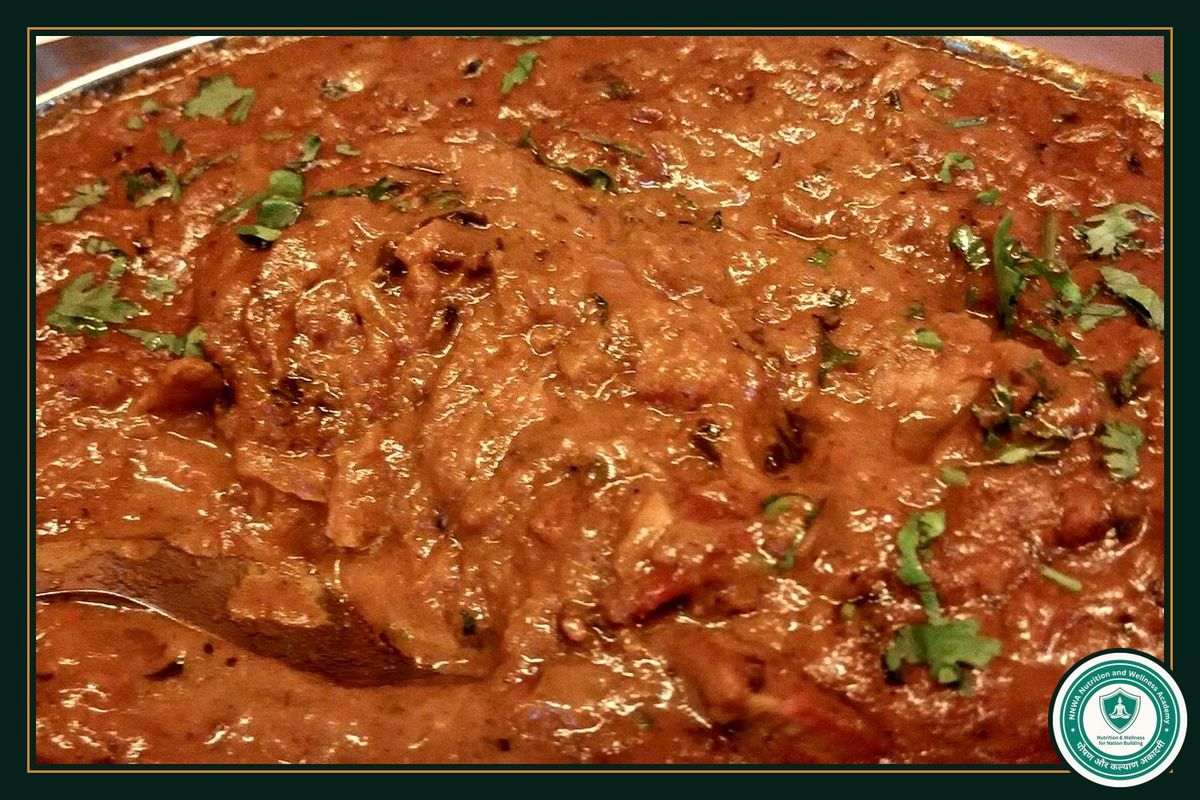
Chicken Chettinad is a fiery, dark curry from the Chettinad region of Tamil Nadu, made with a freshly roasted paste of black pepper, red chillies, fennel, stone flower and coconut. The roast decides it: each spice toasted slowly until fragrant gives real depth, while a hurried, scorched masala tastes harsh and bitter throughout the dish.
- Prep
- 30 min
- Cook
- 45 min
- Total time
- 1 hr 15 min
- Servings
- 4
- Energy per serving
- 425 kcalEstimated from this recipe's ingredients using IFCT 2017 values. Actual figures vary with portion and cooking.
- High-protein
- Gluten-free
Ingredients
- 750 g chicken, skinless, bone-in curry cut
- 1/2 teaspoon turmeric
- 1 teaspoon salt, or to taste
- 1 tablespoon coriander seeds
- 1 1/2 teaspoons black peppercorns
- 1 teaspoon fennel seeds (sombu)
- 1 teaspoon cumin seeds
- 6 dried red chillies, stems removed
- 1 inch cinnamon stick
- 3 cloves
- 3 green cardamom pods
- 1 star anise
- 1 teaspoon kalpasi (stone flower), optional
- 1 marathi mokku (dried kapok bud), optional
- 3 tablespoons fresh grated coconut
- 4 tablespoons gingelly oil (nallennai) or neutral oil
- 200 g small onions (sambar onions), sliced, or 2 medium onions
- 20 curry leaves
- 1 tablespoon ginger-garlic paste
- 2 medium tomatoes, about 200 g, finely chopped
- 1 1/2 cups hot water
- 1/4 cup chopped coriander leaves
- 1 teaspoon lemon juice
NNWA health note
The chicken makes this a high-protein meal, and the spices bring plenty of flavour with no need for cream or nuts. Fresh coconut and gingelly oil do add fat, so this is a meal to have with a modest portion of rice and a vegetable side such as a poriyal. It is also hot, and some people will find the pepper and chilli uncomfortable, especially those with reflux or a sensitive stomach. There is nothing lost by halving the chillies; the fennel, stone flower and coconut will still carry the flavour.
Method
- 01
Rub the chicken with the turmeric and half the salt, cover it, and refrigerate for 20 minutes while you make the masala.
- 02
Toast the coriander seeds, peppercorns, red chillies, cinnamon, cloves, cardamom, star anise, kalpasi and marathi mokku in a dry pan on medium-low heat for 3 to 4 minutes, stirring constantly, until fragrant and the chillies are slightly darker but not black.
- 03
Add the fennel and cumin and stir for 1 minute until they begin to crackle. Add the coconut and keep stirring on low heat for 4 to 5 minutes, until the coconut is an even toasted brown and the mixture smells warm and nutty. Tip it onto a plate and cool for 5 minutes.
- 04
Grind the cooled masala with about 1/3 cup of water to a thick, nearly smooth paste, scraping down the jar. A slight grain from the pepper and fennel is fine.
- 05
Heat the oil in a heavy pan on medium heat. Add the onions and a pinch of the salt, and fry for 10 to 12 minutes, stirring often, until deep golden and soft, then add the curry leaves and stand back for 20 seconds as they crackle.
- 06
Add the ginger-garlic paste and stir for 2 minutes, until the raw smell disappears. Add the tomatoes and the remaining salt and cook on medium heat for 6 to 8 minutes, mashing, until they collapse and the oil glistens at the edges.
- 07
Stir in the ground masala and fry on medium-low heat for 5 to 6 minutes, stirring constantly and adding a splash of water if it catches, until dark, thick and shiny with oil.
- 08
Add the chicken and raise the heat to medium, turning it for 5 minutes until the pieces lose their raw colour and are coated in masala.
- 09
Pour in the hot water, bring it to a gentle boil, cover, and simmer on low heat for 20 to 25 minutes, stirring twice, until the chicken is tender and pulls from the bone. Cut into the thickest piece to check there is no pink.
- 10
Uncover and simmer for 3 to 5 minutes, until the gravy is thick and clings to the chicken and a slick of oil rises to the top. Off the heat, stir in the coriander leaves and lemon juice, cover, and rest for 10 minutes before serving.
Last reviewed on 2 November 2026.
NNWA publishes the name and qualifications of everyone who writes and checks its material. You can see the full teaching team on the faculty page.
From the Chettinad kitchen
Chettinad is a dry region in the Sivaganga and Pudukkottai districts of Tamil Nadu, home to the Nattukottai Chettiar community, whose merchant families traded widely across South-East Asia. Their cooking is known for roasted, freshly ground masalas and a generous use of black pepper. In and around Karaikudi, this kind of curry is known as kozhi kuzhambu or kozhi varuval, depending on how much gravy it has.
Every household has its own version. The recipe here is a medium-thick gravy, with a masala of the kind you find in many Chettinad home kitchens. Restaurant versions outside the region are frequently redder and milder, while a real Chettinad curry is darker from the roast and sharper from the pepper. A vegetarian cousin is this Chettinad vegetable kurma.
Roasting the masala slowly
The spices are roasted in a sequence for a reason. Hard spices and chillies take the most time, smaller seeds such as fennel and cumin burn quickly and go in later, and coconut comes last because it scorches the moment you look away. Stay at the stove with the heat at medium-low, and go by smell rather than the clock. You want a warm, peppery, almost sweet aroma, not an acrid one. Pour it onto a plate as soon as it is done, since a hot pan keeps cooking it.
If any of the chillies turn black or the coconut smells burnt, begin again. The batch costs little to replace, while bitter masala will flavour the whole pot. Frying the ground paste in oil is the second key stage: raw masala added directly to the chicken tastes dusty and sharp, whereas five minutes of careful frying gives a dark, glossy paste with a rounded flavour.
Finding the regional ingredients
Kalpasi, also known as stone flower or dagad phool, is a dried lichen with a smoky, earthy smell. Marathi mokku is a dried bud with a mustard-like taste, and it is much harder to find outside South India. Both are sold in Tamil grocery shops and online. Without them the curry loses a particular note but remains good; a pinch more fennel and pepper makes up some of the difference. Never replace them with cheap garam masala, which pushes the flavour in another direction.
Sambar onions give the traditional sweetness and are worth seeking out, though ordinary onions are a perfectly fair substitute. Gingelly oil has a particular nutty taste; use groundnut oil if you prefer. Desiccated coconut can be used if fresh is not available, at about two tablespoons, with a shorter roast, as it browns much faster.
Common mistakes and their fixes
A curry that tastes raw at the end usually means the paste was not fried for long enough, so simmer it uncovered for a few more minutes with a little more oil. If it is too hot, stir in a few spoonfuls of thick coconut milk, which softens the heat, and add a little salt to rebalance the pot. If there is a bitter edge, a small piece of jaggery and an extra squeeze of lemon can hide some of it, although not all. A thin gravy needs only more time with the lid off.
Boneless chicken will overcook in this time, so if you use it, reduce the covered simmer to 10 or 12 minutes. For a drier varuval, reduce the water to half a cup and continue to cook uncovered until the masala clings, which makes an excellent starter or side. More about what this bird contributes is in this protein guide.
Serving, storing and reheating
In Chettinad homes, it goes with plain steamed rice, idiyappam, dosa or parotta. Soft appam or Malabar parotta work well, and a simple coconut rice is pleasant if you want less heat per bite. A plain bowl of curd rice to finish is a Tamil habit for good reason, and a green beans poriyal rounds out the plate.
The flavour deepens overnight, so this is a good dish to make the night before. Cool it and refrigerate within two hours, then eat within three days, or freeze for up to a month. Reheat on medium-low heat with a splash of water until steaming hot throughout, and refresh with a few curry leaves fried in a spoon of oil if you want to bring back the aroma.
Learn the science
Sports Nutrition
This dish's nutrition reasoning is taught in full in this NNWA course.
What people ask about Chicken Chettinad
Is Chicken Chettinad always very spicy?
It is a hot curry by tradition, but it is the balance that counts. Use milder chillies like Kashmiri or byadgi, and keep the pepper, since it gives the dish its identity. A home version can be made to suit children by using half the chillies and more coconut.
Can I make the Chettinad masala ahead of time?
Yes. Roast the whole spices, cool them and store them in an airtight jar for up to a month, then add freshly toasted coconut on the day. The ground wet paste keeps for two days in the fridge, or you can freeze it in portions for a month.
What is the difference between Chettinad chicken and regular South Indian chicken curry?
A typical South Indian home curry may rely on coriander powder and coconut milk and taste gentler. Chettinad cooking leans on a freshly roasted masala with plenty of black pepper, fennel and stone flower, giving a darker, more aromatic and sharper gravy.
Can I cook Chicken Chettinad in a pressure cooker?
Yes. After frying the masala and coating the chicken, add only about half a cup of water and cook for one whistle on medium heat, then allow the pressure to fall by itself. Open and simmer until the gravy thickens, as cooker versions tend to be watery.
Should I use coconut milk in this recipe?
Traditional versions in the region use roasted grated coconut in the paste rather than coconut milk, and so does this recipe. Coconut milk gives a softer, milder result that some people enjoy. If you want to use it, add a little at the end and do not boil it hard.
More recipes
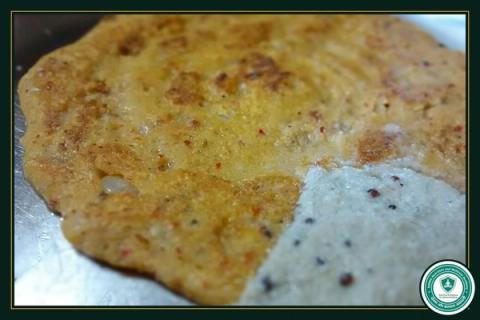
Adai (Mixed Lentil Crepe)
Adai is a thick South Indian crepe made from a coarsely ground batter of rice and several dals, typically chana, toor and urad, with dried c…
Vegetarian · VeganRecipe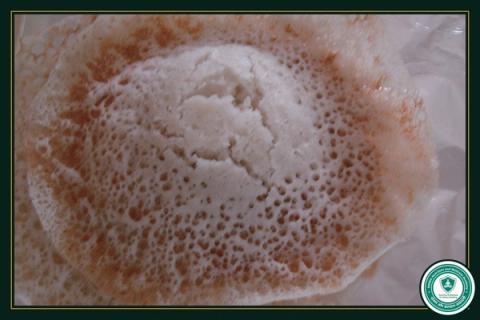
Appam
Appam is a Kerala pancake made from a fermented batter of raw rice, cooked rice and coconut, cooked in a curved pan so it forms thin lacy ed…
Vegetarian · Gluten-freeRecipe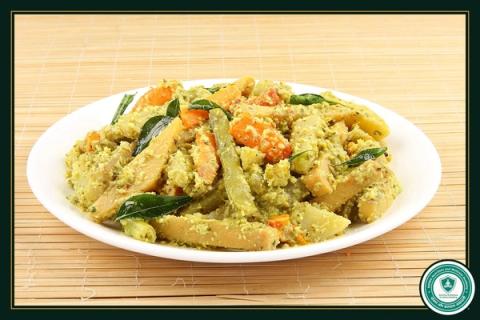
Avial (Kerala Mixed Vegetable Curry in Coconut-Yoghurt Sauce)
Avial is a Kerala main course of mixed vegetables simmered in a coconut and green chilli paste and finished with a spoonful of yoghurt and r…
Vegetarian · Gut-healthRecipe