
South Indian · Snack
Chana Sundal
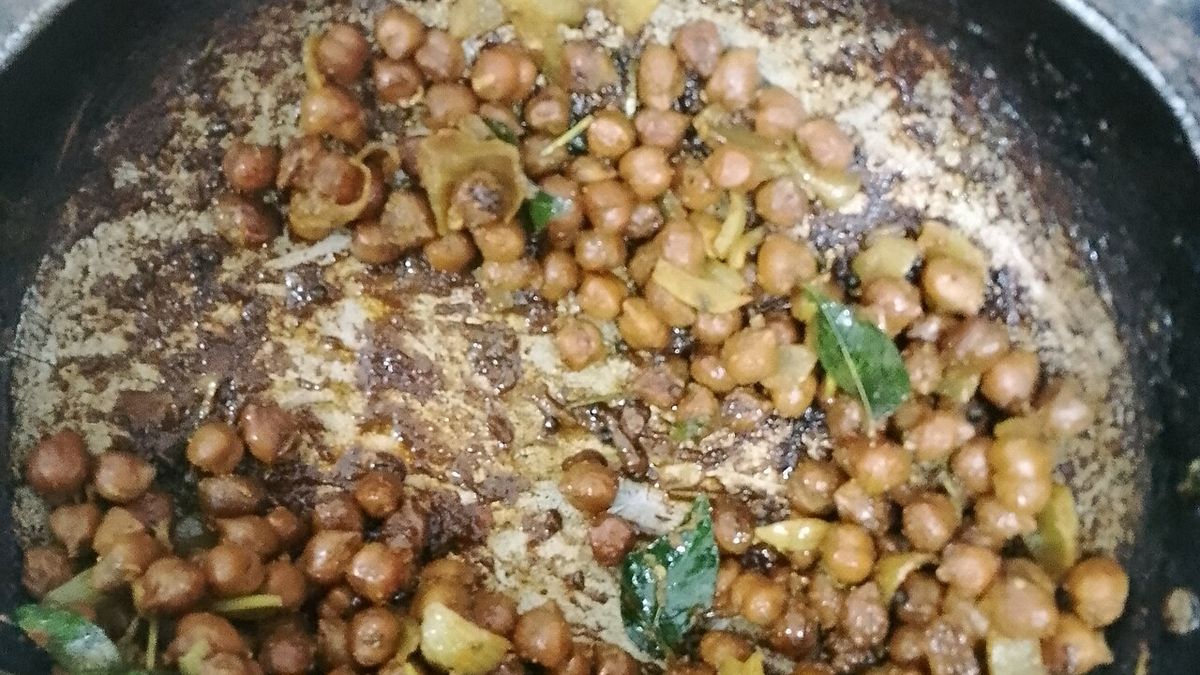
Chana sundal is a dry Tamil snack of boiled chickpeas tossed with a mustard and curry leaf tempering and fresh coconut, made for Navratri and sold on Chennai's beaches. Cooking decides whether it succeeds: the chickpeas must be soft to the centre yet hold their shape, and they should be drained very well.
- Prep
- 10 min
- Cook
- 25 min
- Total time
- 35 min
- Servings
- 4
- Vegetarian
- Vegan
- Gluten-free
- Diabetic-friendly
- Weight-management
- Festive
Ingredients
- 1 cup dried chickpeas, white or black (kala chana), about 200 g
- 2 1/2 cups water, for cooking
- 3/4 teaspoon salt
- 2 teaspoons coconut oil
- 1 teaspoon mustard seeds
- 1 teaspoon urad dal
- 1 dried red chilli, broken in two
- 1 green chilli, slit
- 1 sprig curry leaves
- A pinch of asafoetida (hing)
- 1 teaspoon finely chopped ginger
- 1/4 cup freshly grated coconut
- 2 tablespoons finely chopped raw mango (optional), or 1 teaspoon lemon juice
NNWA health note
Sundal is one of the more useful snacks in Indian cooking: chickpeas bring plant protein and a good amount of fibre, and the oil and coconut are modest. It keeps you satisfied for much longer than a biscuit or a fried namkeen with tea. Because chickpeas raise blood sugar slowly compared with refined snacks, it suits many people with diabetes, though carbohydrates still count and portion size still matters. Those with kidney disease or a sensitive gut may need to limit legumes, and should follow their dietitian's advice. Soaking well and cooking fully makes it easier on the stomach.
Method
- 01
Rinse the chickpeas and soak them in plenty of cold water for 8 hours or overnight. They should double in size and split easily when pressed. Drain and discard the soaking water.
- 02
Put the chickpeas into a pressure cooker with the 2 1/2 cups of fresh water and the salt, and do not fill it more than halfway. Cook over a medium flame for 4 to 5 whistles, about 15 minutes for white chickpeas and a little longer for black ones, then let the pressure fall on its own.
- 03
Test one chickpea by pressing it between your thumb and finger. It should crush easily with no chalky centre, while most of the others stay whole. If it still feels firm, close the cooker and give it one more whistle.
- 04
Drain in a colander for at least 5 minutes, shaking it now and then, so the sundal ends up dry and not soupy. Keep the cooking liquid for a dal or soup.
- 05
Heat the coconut oil in a kadhai over a medium flame for about 1 minute. Add the mustard seeds, and when they crackle, add the urad dal and fry for about 30 seconds until golden and nutty-smelling.
- 06
Add the dried chilli, green chilli, curry leaves, asafoetida and ginger. Stir for 20 to 30 seconds, until the leaves crisp and the ginger loses its raw smell.
- 07
Tip in the drained chickpeas and toss over a medium flame for 2 to 3 minutes, until any surface moisture has dried off and the tempering has coated them evenly. Taste and add salt if needed.
- 08
Turn off the flame and stir through the grated coconut and raw mango or lemon juice. Serve warm or at room temperature within a couple of hours.
Last reviewed on 2 November 2026.
NNWA publishes the name and qualifications of everyone who writes and checks its material. You can see the full teaching team on the faculty page.
Where does sundal come from?
Sundal is a Tamil category more than a single dish: any boiled legume, tempered and tossed with coconut, can carry the name. During Navratri in Tamil Nadu, households make a different sundal on each of the nine days and offer it at the golu, the display of dolls. Guests take a little packet home. Away from the festival, it is the famous snack sold in paper cones on Marina Beach in Chennai, often with sliced raw mango on top. It is also eaten at home at teatime or as a side dish to rasam and rice.
White chickpeas (vellai kondakadalai) and black chickpeas (karuppu kondakadalai) are both traditional. Black ones have a firmer skin and an earthier taste, and many families prefer them for the festival. White ones cook faster and are milder. Both use exactly the same seasoning.
The technique that matters: cook them through, then dry them
Undercooked chickpeas are the commonest failing, and they are unpleasant to eat as well as hard to digest. Overnight soaking is not optional here. Skip it and you need far longer under pressure, with split skins and a mushy outside to show for it. Salt in the cooking water seasons them through, and it does not toughen them to any noticeable degree in a pressure cooker.
The second step is drainage. A sundal should be dry enough to eat with your fingers, so drain it for longer than seems necessary. Keep the tempering short and hot. The coconut goes in only at the end, off the flame, because cooking it dulls its sweetness and shortens how long the dish keeps.
What goes wrong, and how do you rescue it?
If the chickpeas are still hard after cooking, the batch may be old, and old legumes can take much longer to soften. Return them to the cooker with a little water for a few more whistles. If they turn to mush, the dish is no longer a sundal, but it makes a very good base: mash lightly with the tempering and serve as a coarse spread, or stir it into a sambar. If it tastes flat, it needs salt, a squeeze of lemon or more curry leaves. If it is watery, return it to the kadhai and toss it over a medium-high flame for a few minutes until the moisture has evaporated.
Substitutions and other versions
Fresh coconut is worth seeking out, but frozen grated coconut, thawed, works very well. Avoid desiccated coconut unless it has been soaked in a little warm water first. Any cooked legume can replace the chickpeas, including green moong, black-eyed beans, rajma, chana dal or dried peas, though you will need to reduce the cooking time for smaller ones. If you have a tin of chickpeas, rinse it, drain it and warm it through in the tempering; this is a shortcut that gives a softer, less nutty result. For a lighter snack, reduce the coconut to 2 tablespoons and add finely chopped cucumber or carrot at the end. Asafoetida often contains wheat flour, so choose a packet labelled gluten-free if that matters to you.
What goes with chana sundal?
It needs nothing to be a complete small snack, and a cup of filter coffee in the late afternoon is the natural partner. As a side, it sits well with curd rice or lemon rice, both of which benefit from the extra protein. It also packs well for work, with a wedge of lemon on the side. The plant-based nutrition course looks further at how legumes fit into a vegetarian or vegan day.
Storing and reheating
Fresh coconut spoils quickly, particularly in warm weather, and this is what limits the dish. Do not leave sundal at room temperature for more than about 2 hours. Refrigerate it in a closed box for up to 2 days, then warm it briefly in a pan with a sprinkle of water, or bring it back to room temperature. If you want to cook ahead, boil and drain the chickpeas and keep those in the fridge, then temper and add coconut on the day you eat them. Cooked, drained chickpeas also freeze well for about 2 months.
Learn the science
Plant-Based Nutrition
This dish's nutrition reasoning is taught in full in this NNWA course.
What people ask about Chana Sundal
Can sundal be made without coconut?
Yes, though it changes the taste. Coconut is the traditional finish, but those limiting saturated fat can use less, or replace it with chopped raw mango, grated carrot or fresh coriander. Add a squeeze of lemon so that the dish does not taste bare.
Is chana sundal good for a Navratri fast?
Sundal is festival food in Tamil Nadu, offered during the golu evenings, rather than a fasting food. In parts of North India, the Navratri fast rules out legumes and grains altogether, so it depends on what your family's custom allows.
Should the chickpeas be soaked in salted water?
Plain water is the traditional choice and works perfectly well. Salting the soak can season the beans slightly, but it adds no real advantage in a pressure cooker. Rinse them after soaking and cook in fresh water instead of the soaking liquid.
Can I make sundal in a pot without a pressure cooker?
You can, in a heavy covered pot with plenty of simmering water. Expect 60 to 90 minutes for soaked chickpeas, depending on their age. Top up with hot water as needed, and salt towards the end for the most tender result.
Can children eat sundal?
Older children usually enjoy it, and leaving out the chilli makes it gentle. Whole chickpeas can be a choking risk for toddlers, so mash them lightly for very young children and sit with them while they eat.
More recipes
Adai (Mixed Lentil Crepe)
Adai is a thick South Indian crepe made from a coarsely ground batter of rice and several dals, typically chana, toor and urad, with dried c…
Vegetarian · VeganRecipeAppam
Appam is a Kerala pancake made from a fermented batter of raw rice, cooked rice and coconut, cooked in a curved pan so it forms thin lacy ed…
Vegetarian · Gluten-freeRecipeAvial (Kerala Mixed Vegetable Curry in Coconut-Yoghurt Sauce)
Avial is a Kerala main course of mixed vegetables simmered in a coconut and green chilli paste and finished with a spoonful of yoghurt and r…
Vegetarian · Gut-healthRecipe