
South Indian · Main course
Vatha Kuzhambu
Vatha kuzhambu is a thick, sour Tamil gravy of tamarind and spice powder, built around sun-dried berries fried in gingelly oil, with no dal. Patience decides whether it succeeds: simmer until the raw tamarind smell has gone and the oil rises to the top, and fry the berries without letting them burn.
- Prep
- 15 min
- Cook
- 25 min
- Total time
- 40 min
- Servings
- 4
- Energy per serving
- 191 kcalEstimated from this recipe's ingredients using IFCT 2017 values. Actual figures vary with portion and cooking.
- Vegetarian
- Vegan
- Gluten-free
Ingredients
- A lemon-sized ball of tamarind, about 40 g
- 2 cups hot water
- 4 tablespoons gingelly oil (nallennai)
- 1 teaspoon mustard seeds
- 1/2 teaspoon fenugreek seeds (vendhayam)
- 1 teaspoon toor dal
- 1 teaspoon chana dal
- 2 dried red chillies
- 1 sprig curry leaves
- A pinch of asafoetida (hing)
- 2 tablespoons sundakkai vathal (dried turkey berries)
- 10 small onions (shallots), peeled and halved (optional, see below)
- 6 garlic cloves, peeled (optional)
- 2 tablespoons sambar powder or kuzhambu milagai podi
- 1/4 teaspoon turmeric powder
- 1 teaspoon salt, then to taste
- 1 teaspoon grated jaggery
NNWA health note
This is a condiment-strength gravy, eaten in small amounts with a lot of rice and vegetables, so the portion sets the nutrition. It contains no dal to speak of and very little protein, so it needs a side of poriyal, kootu or curd on the plate. Gingelly oil supplies mostly unsaturated fat, but the amount here is generous. Salt and tamarind are concentrated, and anyone restricting sodium should keep to a spoonful or two and follow their doctor's advice. The berries are a traditional ingredient, and there is no good reason to treat them as medicine.
Method
- 01
Soak the tamarind in the hot water for 15 minutes, squeeze it thoroughly and strain, pressing the pulp to get as much out as you can. You should have about 2 cups of thin brown extract. Throw away the fibres and seeds.
- 02
Heat the gingelly oil in a heavy kadhai or a stone pot (kal chatti) over a medium flame for about 1 minute. Add the mustard seeds, and when they start to crackle, add the fenugreek, toor dal, chana dal and dried chillies. Stir for about 30 seconds until the dals turn golden and the fenugreek darkens slightly.
- 03
Add the curry leaves and asafoetida and stand back for the splutter. Now add the sundakkai vathal and fry on a low flame for about 1 minute, stirring, until the berries puff up and turn a shade darker. Do not let them go black or the gravy will be bitter.
- 04
If you are using them, add the shallots and garlic and fry on a medium flame for 4 to 5 minutes until the shallots are soft and browned at the edges.
- 05
Turn the flame to low and add the sambar powder and turmeric. Stir for 20 to 30 seconds until fragrant, taking care that the powder does not catch.
- 06
Pour in the tamarind extract and add the salt. Bring to a boil, then lower the flame to medium-low and simmer, uncovered, for 15 to 18 minutes, stirring now and then. The sharp, raw smell of tamarind should fade, and the gravy should reduce by about a third.
- 07
Stir in the jaggery and cook for 2 more minutes. The kuzhambu is ready when it has the thickness of a light syrup and small pools of reddish oil float on top. It thickens further as it cools.
- 08
Taste, adjust the salt, turn off the flame and leave it for at least 30 minutes before serving so that the berries soften and the flavours settle.
Last reviewed on 2 November 2026.
NNWA publishes the name and qualifications of everyone who writes and checks its material. You can see the full teaching team on the faculty page.
Where does vatha kuzhambu come from?
Vathal means something sun-dried in Tamil, and kuzhambu means a gravy for rice. This belongs to a long tradition of Tamil household cooking in which vegetables and berries are dried in summer, kept in jars and fried when fresh vegetables are short. It is served with plain hot rice, usually with a thread of raw gingelly oil on top. Unlike sambar, it contains no cooked dal, and it is thicker, sharper and spicier than rasam. A spoonful is enough to flavour a lot of rice, which is exactly how it is eaten.
Versions vary from home to home. Many Tamil Brahmin households make it with no onion or garlic, and flavour it with only the vathal, asafoetida and spice powder. Many other homes add shallots and garlic generously. Both are authentic. Leave those two items out if you want the first style, and increase the vathal by a tablespoon.
The technique that matters: frying and the long simmer
Two stages decide the flavour. The first is the tempering. Sundakkai is bitter by nature, and a brief fry in oil softens that bitterness into a pleasant savoury note, but it burns easily. Keep the flame low and watch for the puff. Fenugreek is the other risky item: it should only just darken, and burnt fenugreek will spoil the pot.
The second is the simmer. Raw tamarind tastes sharp and thin, and it needs time to cook down. There is no shortcut here. The cue that matters is the oil, which separates as the water reduces, and pools on top of the gravy. Stirring a kuzhambu that has not reached this point will leave a raw edge that no amount of salt can fix.
What goes wrong, and how do you rescue it?
Bitterness comes from burnt fenugreek or scorched berries. If it is slight, a second teaspoon of jaggery and a tablespoon of fresh tamarind extract can pull it back. If it is strong, it is better to start again, because the taste spreads through the whole pot. If it is too sour, add jaggery a little at a time and a little salt, since salt also tames sourness. If it turns out too thin, simmer longer, or stir in 1 teaspoon of rice flour mixed with 2 tablespoons of water and boil for 2 minutes, which is a common shortcut. If too thick, loosen with a little hot water and bring back to the boil. If the gravy tastes flat, it may be short of salt, which is often the case with this sort of sour dish.
Substitutions if you cannot find sundakkai
Sundakkai vathal is sold in Tamil grocers and online, and manathakkali vathal, dried black nightshade berries, is the classic alternative. It is milder and slightly sweeter. Dried okra or dried cluster beans (kothavarangai vathal) work too. With no vathal at all, make the same gravy with fresh vegetables: fry sliced drumstick, brinjal or extra garlic until browned, then proceed. Strictly speaking this makes it a puli kuzhambu, which is a close and excellent relative. Sesame oil from the Chinese shelf is toasted and tastes wrong here, so use cold-pressed gingelly oil, or groundnut oil if you have nothing else. Most compounded asafoetida is bulked with wheat flour, so anyone avoiding gluten must buy a packet labelled gluten-free. Ready-made sambar powder is fine, though a kuzhambu podi with more chilli and coriander gives the proper depth.
There is no truly lighter version that stays faithful, since the oil carries the spices. You can bring it down to 3 tablespoons without much harm, and portions are small anyway.
What goes with vatha kuzhambu?
Mix a spoonful or two into hot rice with a little raw gingelly oil or ghee, and serve something mild and cooling next to it. A beans poriyal, a kootu and fried appalam are the traditional company, and curd rice makes a good second course. It also goes very well with idli and dosa on the morning after, or spread sparingly on a plain uttapam. The sharp taste calls for at least one bland dish on the plate, which also helps balance the meal.
Storing and reheating
This gravy keeps better than most, thanks to the tamarind, salt and oil, and many cooks think it improves on the second day. Cool it, transfer it to a clean glass or steel jar and keep it in the fridge for about a week, always using a clean, dry spoon. To reheat, warm only what you need over a low flame until it just bubbles, adding a spoonful of water if it has become too thick. It does not freeze particularly well, as the oil can separate and the berries turn soft, but it remains safe to eat after a month in the freezer if you do.
Learn the science
Gut Health & Digestive Wellness
This dish's nutrition reasoning is taught in full in this NNWA course.
What people ask about Vatha Kuzhambu
Is vatha kuzhambu the same as puli kuzhambu?
They are close relatives, both tamarind gravies with no dal. Vatha kuzhambu is named for the sun-dried vegetable or berry in it, while puli kuzhambu generally uses fresh vegetables such as brinjal, drumstick or shallots, and can be a little thinner.
How much sundakkai should I use for a first batch?
Start with 1 tablespoon if you are new to the taste, since the bitter edge surprises some people. Two tablespoons is a normal household amount, and those who grew up on it often use more. Each berry can be left on the side of the plate.
Why use a stone pot or kal chatti?
A soapstone pot holds heat gently and keeps cooking after the flame goes off, which many Tamil cooks prefer for a sour gravy. A heavy-based steel kadhai gives very good results as well. Avoid thin aluminium, which can react with the tamarind and spoil the taste.
Can children eat vatha kuzhambu?
It is hot and very sour, so most young children will not enjoy it as it is. A thin smear mixed through plenty of rice and ghee is a gentle introduction, or reduce the chilli in the spice powder when cooking for a family table.
More recipes
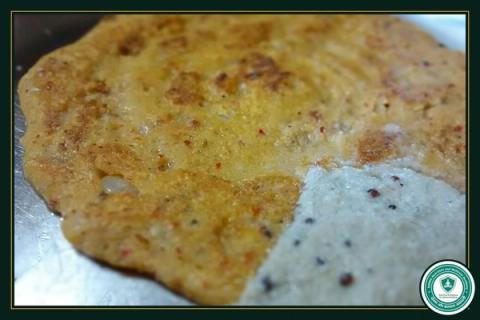
Adai (Mixed Lentil Crepe)
Adai is a thick South Indian crepe made from a coarsely ground batter of rice and several dals, typically chana, toor and urad, with dried c…
Vegetarian · VeganRecipe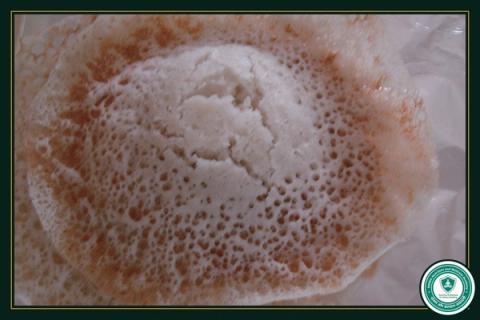
Appam
Appam is a Kerala pancake made from a fermented batter of raw rice, cooked rice and coconut, cooked in a curved pan so it forms thin lacy ed…
Vegetarian · Gluten-freeRecipe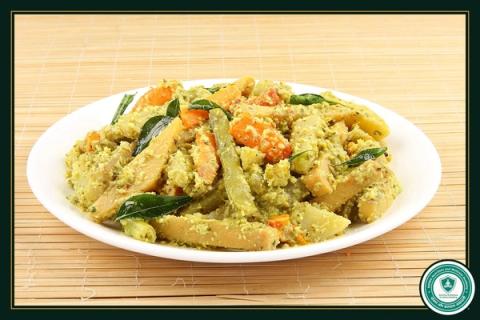
Avial (Kerala Mixed Vegetable Curry in Coconut-Yoghurt Sauce)
Avial is a Kerala main course of mixed vegetables simmered in a coconut and green chilli paste and finished with a spoonful of yoghurt and r…
Vegetarian · Gut-healthRecipe