
North Indian · Dessert
Seviyan Kheer
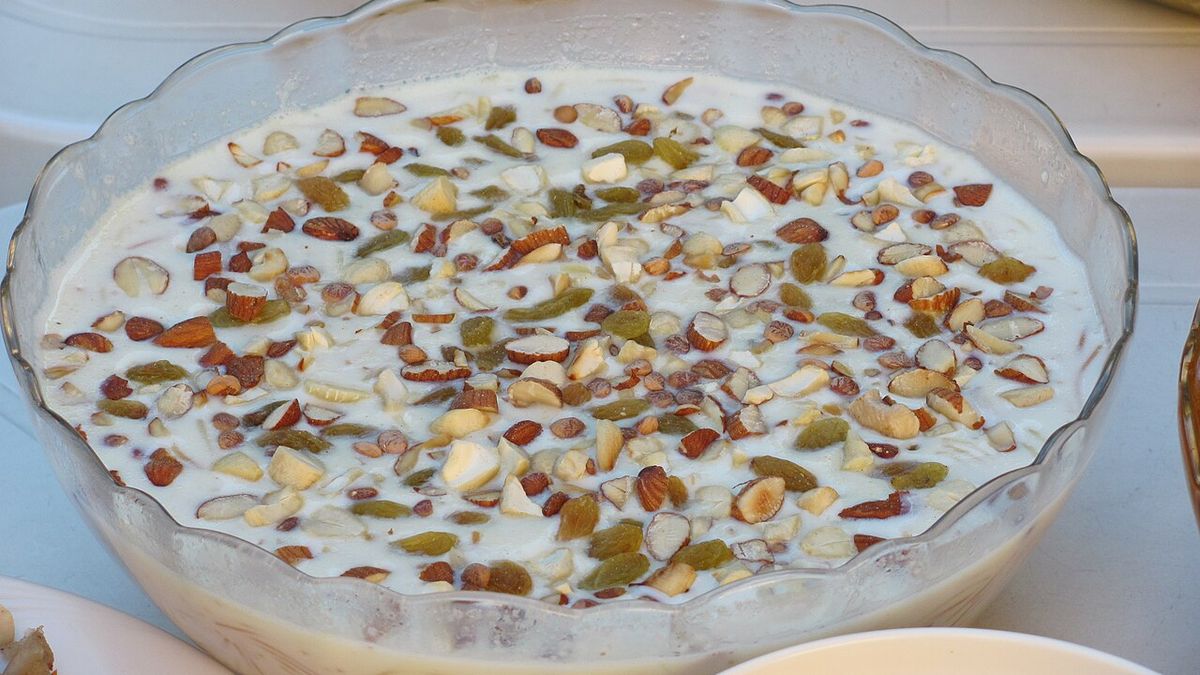
Seviyan kheer is a North Indian sweet of fine wheat vermicelli roasted in ghee and simmered in milk with sugar, cardamom and nuts. Roasting and proportion decide it. Golden seviyan taste nutty and hold their shape, and too much of them turns the kheer gluey once it cools, so stop while it still looks thin.
- Prep
- 10 min
- Cook
- 30 min
- Total time
- 40 min
- Servings
- 5
- Vegetarian
- Festive
Ingredients
- 1 litre full-cream milk
- 1/2 cup thin seviyan (wheat vermicelli), about 60 g, broken into 3 cm lengths
- 2 tablespoons ghee
- 1/3 cup sugar, about 70 g, or to taste
- 4 green cardamom pods, seeds crushed
- 8 almonds, slivered
- 8 cashews, halved
- 8 pistachios, slivered
- 1 tablespoon raisins
- A pinch of saffron soaked in 1 tablespoon warm milk, optional
NNWA health note
Seviyan kheer is a sweet, and a welcome one at a celebration. Milk gives it some protein and calcium, but the sugar and refined wheat mean it raises blood sugar quickly, so a small katori after a meal is the right size. Toned milk and a little less sugar make it lighter without spoiling it. People with diabetes should go by their doctor's or dietitian's advice on festive portions; this guide to [managing diabetes during the festive season](/blog/diabetes-during-festive-season-india/) gives a useful starting point.
Method
- 01
Pour the milk into a heavy, wide pan, rinsed first with a little cold water to reduce sticking. Bring it to the boil on medium heat, then simmer on low for 8 to 10 minutes, stirring and scraping the base often, until it has reduced slightly and smells sweet.
- 02
While the milk simmers, melt the ghee in a small pan on low heat. Fry the almonds and cashews for 2 minutes until pale golden, add the raisins for 20 seconds until they puff, then lift everything out with a slotted spoon.
- 03
Add the seviyan to the same ghee on low heat and stir for 3 to 4 minutes, until evenly golden brown and smelling like toasted biscuits. If the packet says roasted, 1 minute is enough, and stop at any sign of dark brown specks.
- 04
Tip the roasted seviyan into the simmering milk, taking care as it foams up. Cook on low heat for 8 to 10 minutes, stirring every minute or so, until the strands are soft all the way through when pressed against the side of the pan.
- 05
Stir in the sugar and cook on low for 3 minutes, until dissolved. The kheer should still look like thin custard and pour easily from a ladle, because it thickens a great deal as it cools.
- 06
Stir in the cardamom, saffron milk and most of the fried nuts and raisins. Turn off the heat, cover, and rest for 10 minutes so the seviyan finish swelling and the cardamom settles in.
- 07
Serve warm, or cool and chill for at least 2 hours. Scatter over the pistachios and the remaining nuts just before serving, and loosen a cold kheer with a splash of chilled milk if it has set too thick.
Last reviewed on 2 November 2026.
NNWA publishes the name and qualifications of everyone who writes and checks its material. You can see the full teaching team on the faculty page.
A festive sweet across North India
Sweet seviyan in milk are made across North India and well beyond, under various names. In Muslim homes in India and Pakistan, seviyan are almost synonymous with Eid morning, including the richer sheer khurma, which has dates and more nuts. Hindu families make the same kind of kheer for Raksha Bandhan and other festive days, and in South India its relation is semiya payasam. It is popular because it needs no soaking and very little planning, and it comes together in about half an hour.
It is lighter and quicker than a slow-cooked rice kheer, and much less forgiving of a careless measure. Half a cup of seviyan does not look like much for a whole litre of milk. Trust it.
The roast and the ratio
Roasting does more than add colour. It gives wheat strands the nutty, biscuit-like note that sets this sweet apart and helps them hold their shape in hot milk. Use low heat, stir without pause, and pull them off at an even golden brown. Many shop packets are labelled roasted, but a minute in ghee still freshens the flavour and improves the texture.
The ratio is the other half. Seviyan continue to absorb milk long after you turn off the flame, and by the next morning they will have taken on far more than seems possible. Use thin seviyan for a fine, silky result; thicker strands take longer and feel heavier. Reducing the milk first gives you body without having to add condensed milk or khoya, though some families do add these for special occasions.
Adding the sugar at the right time
Sugar goes in after the strands have softened. Added earlier, it competes with the seviyan for water and slows their softening, and it also makes the milk more likely to scorch on the base. If you would rather use jaggery, take the pan off the heat and let it cool for five minutes first, then stir in grated jaggery a little at a time; adding it to boiling milk can make the milk curdle. The kheer will be brown and taste of caramel, and it will not be any healthier in a meaningful way.
Mistakes and how to rescue them
The commonest complaint is a pudding that sets like a cake in the fridge. This is simply fixed with warm or cold milk stirred in a few spoonfuls at a time until it flows again; taste, as you may need a little more sugar afterwards. A lumpy pot means the seviyan went into milk without being stirred; separate them with a fork while they are still hot.
If the base scorches, do not scrape. Pour the unburnt milk into a clean pan and taste it; if there is no smoky note, carry on. Should the seviyan disintegrate, they were cooked for too long on high heat or a very fine, unroasted variety was used, and the best move is to call it a thick porridge and serve it warm. Using milk that was already close to going off can split the pot; there is no fix for that, so smell your milk before you begin.
Substitutions and a lighter version
Rice vermicelli works for those who avoid wheat, though it softens much faster and needs only a light toast, and it is best to check the packet. Dates or date syrup give a sheer khurma character. Pistachios, almonds and cashews are interchangeable, so use what you have, or leave them out for a nut allergy. A drop of rose water is a common addition, and it goes well with saffron.
For a lighter pot, use toned milk and reduce it a little longer, keep the sugar to a quarter of a cup, and halve the ghee. It stays good. Sourced serving figures are on the seviyan kheer dish page. The same strands in a savoury breakfast can be found in semiya upma.
Serving, storing and reheating
Serve it warm after a festive meal, or chilled on a hot afternoon, in small bowls with a final scatter of pistachio. Cool it quickly and refrigerate it within two hours, since milk puddings left out at room temperature spoil fast in Indian heat. It keeps for two days. Reheat gently on low with extra milk, stirring, and only once. Freezing is not worth doing, because the strands turn mushy and the milk goes grainy as it thaws.
Learn the science
Healthy Eating & Everyday Wellness
This dish's nutrition reasoning is taught in full in this NNWA course.
What people ask about Seviyan Kheer
Can I make seviyan kheer with condensed milk?
Yes. Use about a third of a tin in place of the sugar and reduce the simmering time, since the condensed milk brings body as well as sweetness. The kheer will be richer and sweeter, so taste before adding anything else and keep portions small.
What is the difference between sheer khurma and seviyan kheer?
Sheer khurma is the Eid version, with chopped dried dates and a larger quantity of nuts, often with some charoli and rose water. Seviyan kheer is usually simpler and thinner. The basic method of roasting vermicelli and simmering it in milk is the same.
Can seviyan kheer be made a day ahead?
It can, and many people prefer it chilled. Make it a little thinner than you want to serve it, cool it fast, and keep it covered in the fridge. Loosen it with cold milk just before serving and add the nuts at the last moment so they stay crisp.
Why does my seviyan kheer taste floury?
The strands were not roasted enough, or they were not cooked until soft in the centre. Next time toast until a clear golden brown and press a strand against the pan before adding sugar. It should give way with no firm core.
Can I use plant milk to make it vegan?
You can use thick cashew or coconut milk with oil in place of ghee, reducing the simmering time a good deal, as these do not reduce like dairy. The taste becomes quite different, closer to a coconut payasam than a North Indian kheer, and is very good in its own right.
More recipes
Aam Panna
Aam panna is a summer cooler made from cooked raw mango pulp, jaggery, roasted cumin and black salt, diluted with cold water when you want a…
Vegetarian · VeganRecipeAloo Gobi (Potato & Cauliflower Dry Curry)
Aloo gobi is a North Indian dry curry of potatoes and cauliflower cooked together with turmeric, cumin and a light blend of spices until ten…
Vegetarian · VeganRecipeAloo Matar
Aloo matar is a simple North Indian curry of potatoes and green peas in an onion and tomato base. It is one of the most commonly cooked home…
Vegetarian · VeganRecipe