
North Indian · Main course
Mushroom Masala
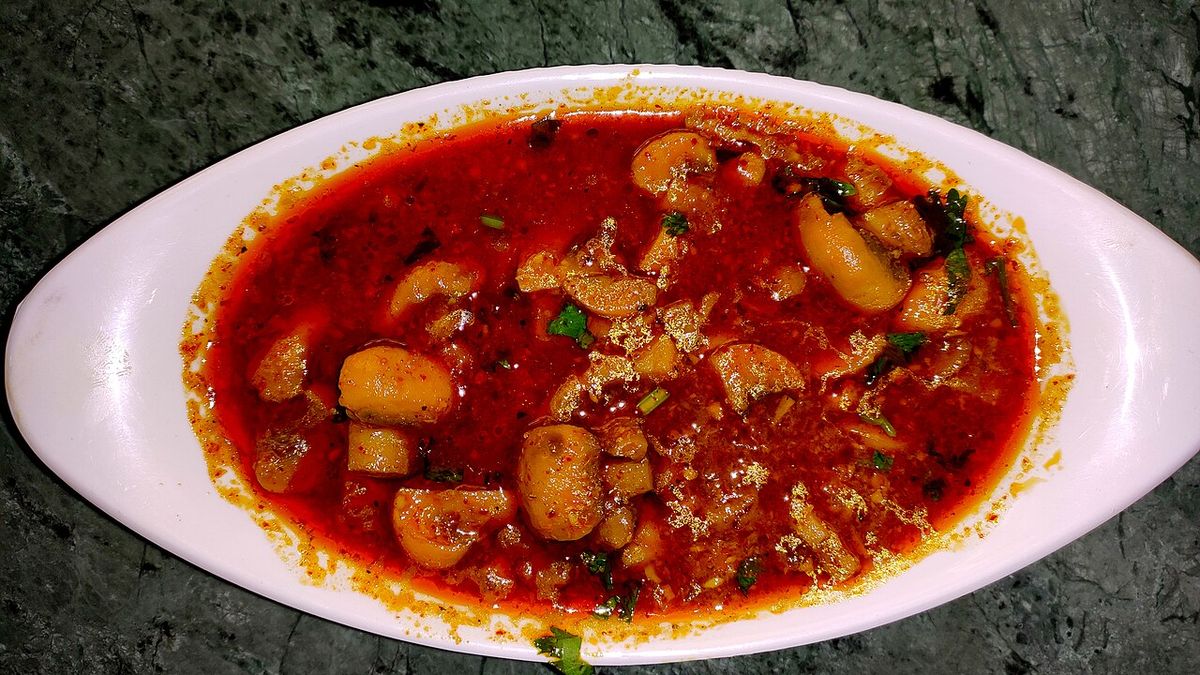
Mushroom masala is a North Indian style curry of button mushrooms in a thick onion and tomato gravy, eaten with roti or rice. Mushrooms hold a great deal of water, so success comes from browning them in a hot, uncrowded pan before they meet the masala, which gives a meaty bite and no thin, grey liquid.
- Prep
- 15 min
- Cook
- 30 min
- Total time
- 45 min
- Servings
- 4
- Vegetarian
- Vegan
- Gluten-free
- Weight-management
- Diabetic-friendly
Ingredients
- 400 g button mushrooms, wiped and quartered
- 3 tbsp neutral oil, divided
- 1 bay leaf
- 1/2 tsp cumin seeds
- 2 medium onions (about 200 g), finely chopped
- 1 tbsp ginger-garlic paste
- 2 green chillies, slit
- 3 medium tomatoes (about 300 g), puréed or finely chopped
- 1/2 tsp turmeric powder
- 1 tsp Kashmiri red chilli powder
- 2 tsp coriander powder
- 1/2 tsp cumin powder
- 3/4 tsp salt
- 1/2 cup hot water
- 1/2 tsp garam masala
- 1/2 tsp kasuri methi, crushed between the palms
- 2 tbsp chopped fresh coriander
NNWA health note
Button mushrooms are mostly water, with useful B vitamins, potassium and selenium and very little fat or starch, so this gravy is filling while staying light on energy. With three tablespoons of oil across four servings and no cream, it sits comfortably on a plate built for weight or blood sugar management. Mushrooms give only a modest amount of protein despite their meaty texture, so pair them with dal, curd or another protein food. Eat only cultivated or expertly identified mushrooms; wild mushrooms can be dangerously poisonous.
Method
- 01
Wipe the mushrooms with a damp cloth, or rinse them very quickly just before cooking and dry them on a towel. Trim the stem ends and cut each into quarters, or halves if small, so that the pieces stay chunky after shrinking.
- 02
Heat 1 tbsp oil in a wide pan on high heat until it shimmers. Add half the mushrooms in one layer, without salt, and leave them for 2 minutes before stirring. Cook for 5 to 6 minutes until the water has gone and the edges turn golden, then tip them onto a plate and repeat with the rest.
- 03
Lower the heat to medium, add the remaining 2 tbsp oil, the bay leaf and cumin seeds, and let them sizzle for 30 seconds. Add the onions and cook for 10 minutes, stirring often, until deep golden.
- 04
Stir in the ginger-garlic paste and chillies for 1 minute until the raw smell softens. Add the turmeric, chilli powder, coriander powder and cumin powder with a splash of water, stirring for 30 seconds so that nothing burns.
- 05
Add the tomatoes and salt and cook on medium heat for 8 to 10 minutes, stirring and mashing, until the masala is thick and dark and oil appears at the edges.
- 06
Fold in the browned mushrooms and any juices from the plate and stir for 1 minute. Pour in the hot water, bring to a boil, then simmer uncovered on low heat for 5 to 6 minutes until the gravy coats the mushrooms.
- 07
Stir in the garam masala and kasuri methi and cook for 1 minute. Turn off the heat, add the fresh coriander, rest covered for 3 minutes and taste for salt before serving.
Last reviewed on 2 November 2026.
NNWA publishes the name and qualifications of everyone who writes and checks its material. You can see the full teaching team on the faculty page.
A restaurant favourite that came home
Button mushrooms were not an everyday part of older North Indian home cooking. They became common as cultivated mushrooms spread through Indian markets, and this curry follows the familiar template of the Punjabi-style restaurant gravy used for kadai paneer and similar dishes. Today it is a popular vegetarian main, and many households cook it instead of a meat curry on a special evening. This version is the semi-dry home style with no cream. Restaurants often add a spoon of cashew paste or cream, and you can do the same if you prefer.
Browning is the whole game
A mushroom is mostly water, and it releases much of that when heated. Left in a crowded pan, it simply boils in its own juices and turns grey and rubbery. Given room in a hot pan, the water evaporates fast, and the surface starts to brown, giving the deep, savoury taste that makes this dish feel so substantial. Work in two batches, even if it feels like an extra job. A single layer is what makes it work.
Hold back the salt until the masala stage. Salt pulls water out quickly, which slows browning and leaves the pieces steaming. Resist stirring for the first two minutes as well, so that the surface can make contact with the hot metal. At first the mushrooms will squeak and drink up the oil, and then they will release their liquid and hiss. When the hiss fades and they begin to smell nutty, they are nearly ready.
To wash or not to wash
Mushrooms grown in commercial farms come fairly clean and can be wiped with a damp cloth. They do have compost specks that are worth removing. If they look dirty, a quick rinse right before cooking does no harm. What ruins them is a long soak, because they become waterlogged and refuse to brown. Pat them dry on a towel straight after rinsing. Choose firm, pale caps with the gills still closed, and avoid any that are slimy or smell sour. Store them in a paper bag in the refrigerator, rather than sealed in plastic, and use them within three days.
Common troubles and rescues
If the curry looks watery, lift out the mushrooms with a slotted spoon, boil the gravy down for a few minutes and return them. If the mushrooms have gone rubbery, they were simmered for too long. Stop cooking, and thicken the gravy instead. If the gravy tastes sharp, cook it longer before adding the mushrooms next time, and for now add a small pinch of sugar. If it tastes flat, add salt in small steps and a squeeze of lemon. Should the base catch, move the top portion to a clean pan rather than scraping up the burnt layer.
Swaps, additions and a lighter plate
Oyster mushrooms are a good option where they are sold; tear them into strips and cook them for less time. Add peas for a matar mushroom style dish, or a capsicum in the last five minutes for colour. Hing is left out because most compounded hing contains wheat flour, which keeps the recipe gluten-free. For a richer finish, two tablespoons of cream or beaten curd at the end is fine, though the recipe is then no longer vegan. Dried or tinned mushrooms make poorer substitutes for this recipe. Tinned ones are already soft and will not brown; if you have nothing else, drain, dry and fry them hard for a few minutes. To lighten it, use a tablespoon less oil and a non-stick pan. The mushrooms take a little longer to colour, but the dish remains good. Dishes such as this one fit easily into the eating patterns discussed in the weight management course.
Serving and leftovers
Serve with phulkas, multigrain roti, naan or jeera rice, with a bowl of dal tadka or a raita to round out the protein. Thicker leftovers make an excellent stuffing for a toasted sandwich or a roti wrap with a little green chutney.
Cooked mushrooms should be treated with some care. Cool them quickly, refrigerate within two hours, and eat within two days. Reheat once only, on medium heat, until steaming hot right through, and add a splash of water if the gravy has tightened. The texture softens with each day. Freezing is not recommended, as the mushrooms turn spongy and weep when thawed, although the onion and tomato masala on its own freezes very well for up to a month, and it will shorten the job next time.
Learn the science
Weight Management & Obesity Care
This dish's nutrition reasoning is taught in full in this NNWA course.
What people ask about Mushroom Masala
Do the mushrooms have to be peeled?
No. The thin skin is tender and full of flavour, and peeling wastes food and time. A wipe with a damp cloth is enough for most market mushrooms. Peeling only makes sense for old specimens with a tough skin, which are better avoided anyway.
Why do mushrooms shrink so much?
They lose most of their water during cooking, so 400 g raw shrinks to roughly half its volume. This is normal, and it is why the pieces are cut chunky. Slicing them too thin leaves small, chewy scraps in the finished curry.
Can dried mushrooms be used instead?
They can, though the texture is different and their taste is much stronger. Soak about 40 g in hot water for 20 minutes, squeeze them out, and use the strained soaking liquid in place of water for a deeper, earthier gravy.
Is mushroom masala suitable for a Jain or fasting meal?
Generally not. Mushrooms are avoided in most Jain kitchens, and many households also leave them out on fast days. It is worth following your own family's custom on this rather than assuming the dish qualifies as a fasting food.
More recipes
Aam Panna
Aam panna is a summer cooler made from cooked raw mango pulp, jaggery, roasted cumin and black salt, diluted with cold water when you want a…
Vegetarian · VeganRecipeAloo Gobi (Potato & Cauliflower Dry Curry)
Aloo gobi is a North Indian dry curry of potatoes and cauliflower cooked together with turmeric, cumin and a light blend of spices until ten…
Vegetarian · VeganRecipeAloo Matar
Aloo matar is a simple North Indian curry of potatoes and green peas in an onion and tomato base. It is one of the most commonly cooked home…
Vegetarian · VeganRecipe