
Pan-Indian · Breakfast
Masala Omelette
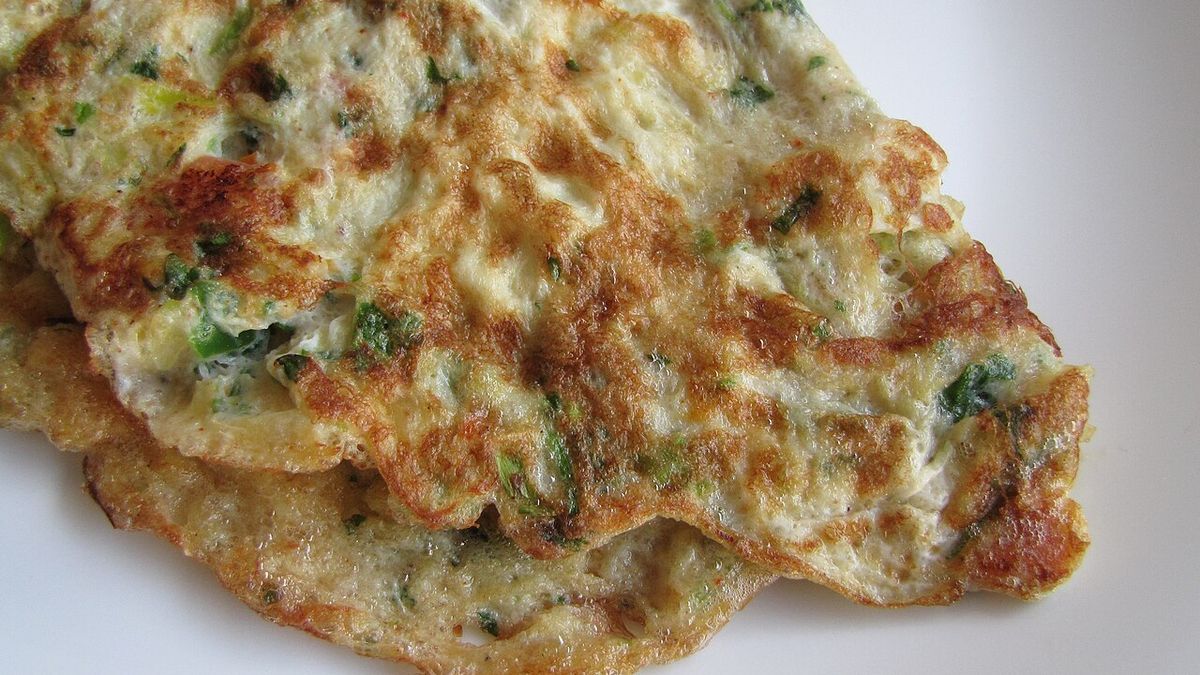
A masala omelette is the Indian breakfast of beaten eggs with chopped onion, tomato, green chilli and coriander, fried flat and eaten with toast or paratha. What decides it is the pan heat: medium, not high, so the eggs set soft and golden, while salting only at the last moment keeps the vegetables from weeping water.
- Prep
- 7 min
- Cook
- 8 min
- Total time
- 15 min
- Servings
- 2
- High-protein
- Gluten-free
Ingredients
- 4 large eggs
- 1 small onion, very finely chopped (about 1/3 cup)
- 1 small tomato, seeds removed, finely chopped
- 1 green chilli, finely chopped
- 2 tablespoons finely chopped coriander leaves
- 1/4 teaspoon turmeric powder
- 1/4 teaspoon red chilli powder
- 1/4 teaspoon freshly ground black pepper
- 1/2 teaspoon salt
- 2 teaspoons oil, ghee or butter
NNWA health note
Eggs bring good-quality protein along with vitamin D and B12, and the onion and tomato add a modest amount of vegetables, which makes this one of the more sensible quick meals on an Indian breakfast table. A small amount of fat is all it needs. For most healthy adults, eggs in moderation fit a balanced diet, and the wider plate matters as much: whole-grain toast or a roti and some extra vegetables help more than the choice of yolk or no yolk. Anyone told to watch their cholesterol should ask their doctor about how many eggs suit them.
Method
- 01
Chop the onion, tomato, chilli and coriander as finely as you can, because large pieces tear the omelette and stay raw. Pat the chopped tomato dry on a paper towel for 30 seconds, since this removes the water that would otherwise leak into the eggs.
- 02
Crack the eggs into a bowl and beat with a fork for about 30 seconds until the whites and yolks are fully mixed and the top looks slightly frothy. Stir in the vegetables, turmeric, chilli powder and pepper.
- 03
Heat a 20 cm non-stick or well-seasoned iron pan on medium for about 1 minute, then add half the fat and swirl it to coat. It is ready when the fat shimmers and a drop of egg sizzles gently without browning right away.
- 04
Add the salt to the egg mix, stir it once and pour in half the mixture, tilting the pan so it spreads evenly. Cook on medium for 60 to 90 seconds, drawing the edges inward once or twice with a spatula and letting the wet egg run into the gaps.
- 05
When the top looks mostly set but still glossy and the underside is golden when lifted, slide the spatula under it and flip it in one movement, or fold it over in half if you are nervous about flipping.
- 06
Cook the second side on medium-low for 30 to 45 seconds, until it has browned lightly and the omelette feels springy when you press the centre. There should be no liquid egg left at the middle.
- 07
Slide it onto a warm plate and repeat with the rest of the fat and egg mix, giving the pan 30 seconds to reheat first. Eat straight away with buttered toast or a hot paratha.
Last reviewed on 2 November 2026.
NNWA publishes the name and qualifications of everyone who writes and checks its material. You can see the full teaching team on the faculty page.
An omelette with an Indian accent
Indian cooks made the omelette their own by adding onion, chilli and turmeric, and today it is everywhere: at home for breakfast, packed in lunch boxes, and on street carts in every city, where a bread omelette folded in a hot pan is often a student's cheapest proper meal. Every family makes it slightly differently. This version is the standard flat, soft home omelette, not the very thin, well-browned street style.
If you prefer eggs scrambled with the same seasonings, look at egg bhurji, which is much more forgiving of beginners and of a too-hot pan. The omelette page lists sourced nutrition figures for the dish, which is useful if you are counting your intake.
Heat, pan and timing
Medium heat is the whole secret. On high, the underside browns in seconds and turns leathery while the top stays raw, and on low, the egg cooks through without any colour and comes out dry. You are looking for a steady, quiet sizzle when the egg hits the pan. If it spits and rises in big bubbles, pull the pan off the flame for a few seconds.
Pan size changes everything. Two eggs in a 20 cm pan give a thin omelette that sets through quickly. In a large 28 cm pan, the same eggs spread out so far that they tear, while a small pan gives a thick pancake that burns before the middle has cooked. Cook one omelette at a time for the same reason.
Common faults and how to fix them
Watery omelettes come from tomato pulp, wet onion or salt added too soon. Salt draws water out of the vegetables and it thins the eggs, and this is why it goes in at the very last moment. If yours is already weeping liquid, tip the extra water away from the bowl before pouring. Tearing usually means a sticky pan or pieces of vegetable that are too big. Fold the omelette over and call it a half moon, as nobody will object.
Bitterness at the edges means the turmeric or fat has caught. Start again with a clean pan and medium heat. A faint greenish tinge can come from long, slow cooking, and though it is harmless, a shorter cook avoids it. Dry and rubbery eggs have been cooked for too long, so take the omelette off once the centre is just set, because it keeps cooking on the plate.
Changes and a lighter version
Add grated cheese, chopped capsicum, mushrooms or a pinch of garam masala as you like. If you dislike raw onion, cook it for 3 minutes in the fat before adding the eggs, as onion only softens slightly in an omelette this quick. For a lighter version, swap one of the two yolks in each omelette for two extra whites, and keep the vegetables generous. The taste holds up and the protein stays high.
To get more from breakfast, add a handful of chopped spinach to the mix after squeezing it dry, or serve it with sliced cucumber. Building simple protein into the first meal of the day is something NNWA's sports nutrition course comes back to often. For a vegetarian swap with similar seasoning, a besan chilla cooks the same way.
A word on safety
An omelette is meant to be cooked through. Young children, pregnant women, older people and anyone unwell should eat eggs only when no liquid is left in the middle. Buy eggs with clean, uncracked shells, keep them in a cool place, wash your hands after cracking them, and use a clean spoon to taste any seasoning rather than raw egg from the bowl.
Serving and storing
Toast with a little butter is the usual pairing, along with hot masala chai. A paratha or a soft roti makes it a fuller meal, and a roll made by wrapping the omelette in a hot roti with chutney and onions is good for lunch boxes. An omelette is best fresh. If you do need to keep one for later, refrigerate it within 2 hours, eat it within a day, and reheat it in a covered pan on low until hot throughout. A sandwich made in the morning should be kept in an insulated box and eaten by lunchtime.
Learn the science
Sports Nutrition
This dish's nutrition reasoning is taught in full in this NNWA course.
What people ask about Masala Omelette
Should I add milk or water to a masala omelette?
A teaspoon of water can make the eggs a little lighter, since it turns to steam in the pan. Milk does little good here and can make the omelette less tender. Most Indian cooks use neither, and beating the eggs properly matters far more.
How do I flip an omelette without breaking it?
Loosen the edges first and shake the pan to check it slides. Then use a wide spatula and flip in one quick motion. A plate works too: slide the omelette onto it, cover with the upturned pan and turn the two over together.
How many eggs make a good omelette for one person?
Two is the usual serving, and it fits a 20 cm pan properly. If you want three, use a slightly larger pan and reduce the heat a touch, because a thicker layer of egg takes longer to set right through to the middle.
Can I prepare the mix the night before?
The chopped vegetables keep well overnight in a covered box in the refrigerator, without salt. Keep the eggs in their shells and beat them in the morning, because a beaten egg mix left standing loses its lift and carries more risk if it gets warm.
More recipes
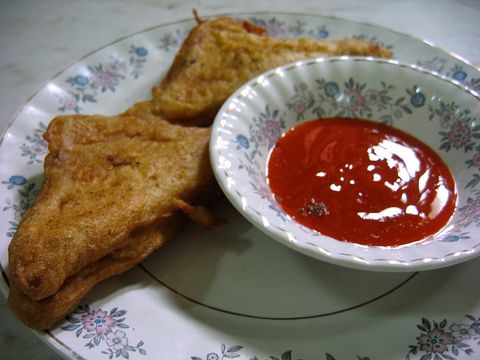
Bread Pakora
Bread pakora is a North Indian tea-stall snack: slices of bread sandwiched with spiced potato, dipped in gram flour batter and deep fried. I…
VegetarianRecipeChicken Biryani
Chicken biryani is layered rice and marinated chicken cooked together under sealed steam. There are two methods: kacchi, where raw marinated…
High-protein · FestiveRecipeDal Tadka (Tempered Yellow Lentils)
Dal tadka is a dish of boiled yellow lentils, usually toor dal, finished with a hot tempering of ghee or oil, cumin, garlic and dried red ch…
Vegetarian · High-proteinRecipe