
North Indian · Main course
Tinda Masala
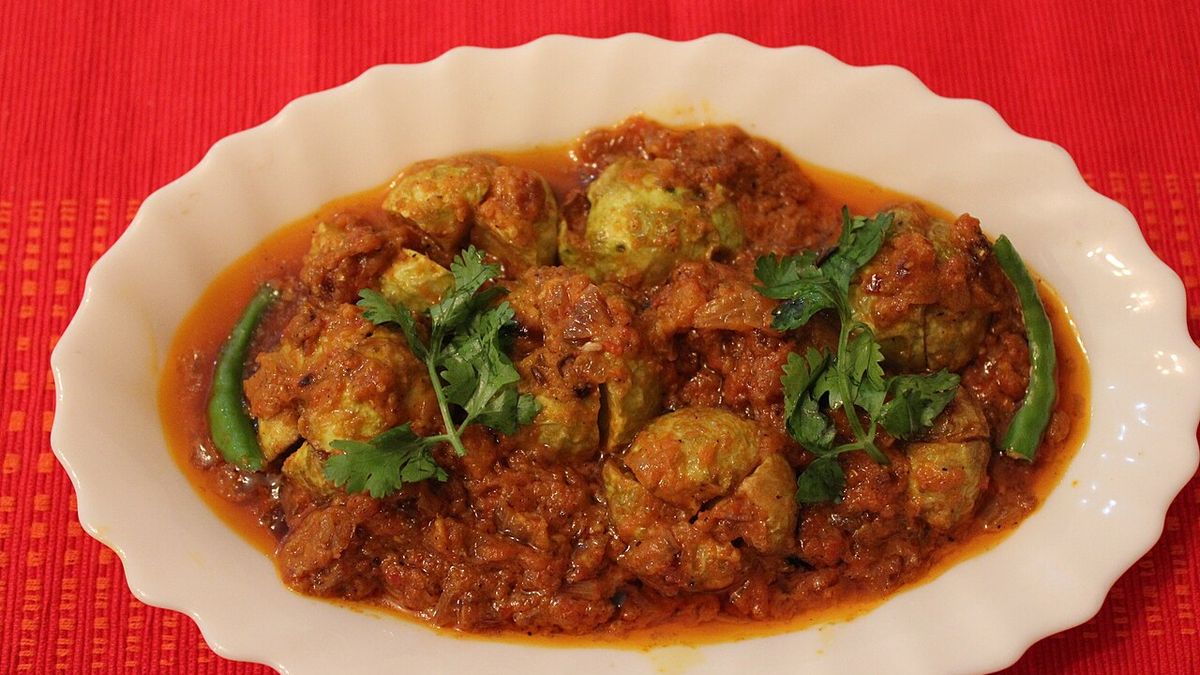
Tinda masala is a North Indian summer curry of apple gourd, also called Indian round gourd, cooked in a spiced onion and tomato base. Tinda is mild and watery by nature, so browning the pieces first and letting them cook in their own juices is what stops the dish tasting bland.
- Prep
- 15 min
- Cook
- 35 min
- Total time
- 50 min
- Servings
- 4
- Vegetarian
- Vegan
- Weight-management
- Diabetic-friendly
Ingredients
- 500 g small tender tinda (about 8 pieces)
- 2 tbsp neutral or mustard oil
- 1/2 tsp cumin seeds
- 1/4 tsp hing (asafoetida)
- 1 large onion (about 150 g), finely chopped
- 1 inch ginger, grated
- 2 garlic cloves, grated
- 1 green chilli, finely chopped
- 2 medium tomatoes (about 200 g), finely chopped
- 1/2 tsp turmeric powder
- 1 tsp Kashmiri red chilli powder
- 2 tsp coriander powder
- 3/4 tsp salt
- 1/2 tsp garam masala
- 1/2 tsp amchur (dried mango powder)
- 2 tbsp chopped fresh coriander
NNWA health note
Tinda is mostly water with some fibre and small amounts of vitamin C and minerals, which makes it a light, easily digested way to add volume to a plate. Cooked with two tablespoons of oil across four servings, the dish has very little starch and sits well on most everyday meal plans, including those for managing weight or blood sugar. It offers little protein, so eat it with dal, curd or a pulse. Anyone with diabetes should still shape the whole plate with their dietitian, since the roti or rice alongside matters more than the tinda.
Method
- 01
Wash the tinda, scrape or thinly peel them and trim both ends. Taste a tiny raw sliver from each one and discard any that are bitter, then cut each into 6 or 8 wedges, keeping tender seeds and removing any that feel hard.
- 02
Heat the oil in a heavy, lidded kadhai on medium-high heat for 1 minute. Add the tinda and cook for 6 to 8 minutes, turning a few times, until patches of golden brown appear. Lift them out onto a plate.
- 03
Lower the heat to medium and add the cumin and hing to the same oil. When the cumin sizzles and smells toasted, about 30 seconds, add the onion and cook for 8 minutes until golden at the edges.
- 04
Add the ginger, garlic and green chilli and stir for 1 minute until the raw smell softens. Stir in the turmeric, chilli powder and coriander powder with a spoonful of water and cook for 30 seconds.
- 05
Add the tomatoes and salt and cook on medium heat for 6 to 7 minutes, pressing with the spoon, until the mixture turns thick and jammy and oil shines at the edges.
- 06
Return the tinda to the pan and fold through the masala. Cover tightly and cook on low heat for 12 to 15 minutes, stirring twice, with no added water unless the base begins to stick, when a spoonful is enough.
- 07
Check a wedge with a fork: it should go in easily while the piece still holds its shape. Uncover and cook on medium heat for 2 minutes if there is loose liquid, until the masala clings.
- 08
Sprinkle over the garam masala and amchur, toss once, and turn off the heat. Stir in the fresh coriander, rest covered for 2 minutes, and taste for salt before serving.
Last reviewed on 2 November 2026.
NNWA publishes the name and qualifications of everyone who writes and checks its material. You can see the full teaching team on the faculty page.
A humble vegetable of the northern summer
Tinda, often called apple gourd or Indian round gourd, is a pale green, tennis-ball-sized gourd grown across Punjab, Uttar Pradesh and Rajasthan and sold through the hot months. It has a reputation as the vegetable children push to the edge of the plate, largely because it is often boiled soft in a thin gravy. This recipe gives the common North Indian home version, with a thick masala and browned pieces, served with phulkas and dal for an everyday lunch.
Choosing tinda at the market
Look for small, firm gourds about the size of a lime or a small apple, with a light fuzz on the skin and a slight give under the thumbnail. Tender ones have soft, white, edible seeds and need only a scrape. Older, larger ones have tough skin and hard seeds that stay leathery after cooking, so they need proper peeling and deseeding. A dull, wrinkled skin means the vegetable has been sitting and will taste flat.
Taste a small sliver before cooking. Gourds of this family can occasionally turn bitter, and a bitter gourd should go in the bin, never into the pot. It is a five-second check and it also tells you how much seasoning a batch needs.
Browning before braising
Tinda has almost no flavour of its own and a great deal of water, so the method has to work around both. Frying the wedges first drives off some moisture and gives them brown edges with a faintly sweet, nutty taste. Then they go back into a thick masala and steam under a lid in their own juices. The water that comes out dilutes the base just enough to make a clinging sauce. Adding a cup of water at the start, as many people do out of habit, produces pale gourd in a thin gravy that tastes of nothing.
A quicker shortcut is one whistle in a pressure cooker on medium heat after the masala is done. It is fine for a working day, but cut the wedges larger, skip the browning if you must, and expect a softer result. Boil off any extra liquid afterwards with the lid off.
Common problems and rescues
If the tinda stays hard after fifteen minutes, it was probably an older gourd. Add two spoonfuls of water, cover and give it another five to eight minutes on low heat. If it has gone to mush, do not stir any more. Mash it fully and cook it down, and you have a soft bharta-style sabzi that is lovely with paratha. If the curry is watery, uncover and boil it down on medium heat, stirring gently. If it tastes bland, the fix is usually salt and sourness: add a pinch of amchur and a little more salt rather than more chilli, and finish with fresh coriander.
Substitutes and a lighter version
If tinda is not sold near you, young lauki, tori (ridge gourd) or small zucchini all take the same masala, with cooking times cut by a few minutes for zucchini and tori. Tinda also stuffs well: hollow them out, fill them with besan and spice mix, and braise them whole, a form popular in Punjabi and Rajasthani homes. To lighten it further, reduce the oil to one tablespoon and brown the pieces in a non-stick pan. This is already among the lighter curries, and it fits into a meal plan built for weight management without needing further changes. For more on where such vegetables sit in a day of eating, see this Indian diet plan for weight loss.
Sides that suit it
A dry sabzi of this kind wants something wet alongside. Serve it with dal tadka or lauki chana dal, hot phulkas or multigrain roti, a bowl of curd and sliced onion with lemon. It also makes a mild partner to something sharp, such as a mango pickle in summer.
Keeping and reheating
Cool the sabzi and refrigerate within two hours for up to two days. Tinda softens further when reheated, so warm it in a pan over low to medium heat with a spoonful of water, stirring gently until steaming throughout, and stop as soon as it is hot. It does not freeze well: thawed gourd releases its water and turns limp. Uncooked tinda keeps for about a week in a paper bag in the vegetable drawer.
Learn the science
Weight Management & Obesity Care
This dish's nutrition reasoning is taught in full in this NNWA course.
What people ask about Tinda Masala
Does tinda have to be peeled?
Young, tender tinda needs only a light scrape to take off the fuzz, and many cooks leave a little skin on for colour. Mature ones have tough skin and need proper peeling or the outside stays chewy after cooking.
Can the seeds be eaten?
Yes, when the gourd is tender the seeds are soft and pleasant, and they should stay in the wedge. If the seeds feel firm under a fingernail, scoop them out before cooking, since they will not soften in the time this recipe takes.
Why does my tinda curry taste bitter?
Most often the gourd itself was bitter, which is why each one should be tasted raw before it goes in the pan. Burnt cumin or spice powders can also taste bitter. Throw away a gourd that tastes bitter instead of trying to mask it.
Is mustard oil a good choice for tinda?
Mustard oil suits it very well, as the pungency gives a bland vegetable something to carry. Heat it until it just begins to smoke, let it cool for a minute, then add the cumin and carry on with the rest of the steps.
More recipes
Aam Panna
Aam panna is a summer cooler made from cooked raw mango pulp, jaggery, roasted cumin and black salt, diluted with cold water when you want a…
Vegetarian · VeganRecipeAloo Gobi (Potato & Cauliflower Dry Curry)
Aloo gobi is a North Indian dry curry of potatoes and cauliflower cooked together with turmeric, cumin and a light blend of spices until ten…
Vegetarian · VeganRecipeAloo Matar
Aloo matar is a simple North Indian curry of potatoes and green peas in an onion and tomato base. It is one of the most commonly cooked home…
Vegetarian · VeganRecipe